Buddhist philosophy, science, culture, and practice.
Menu+
Current issue
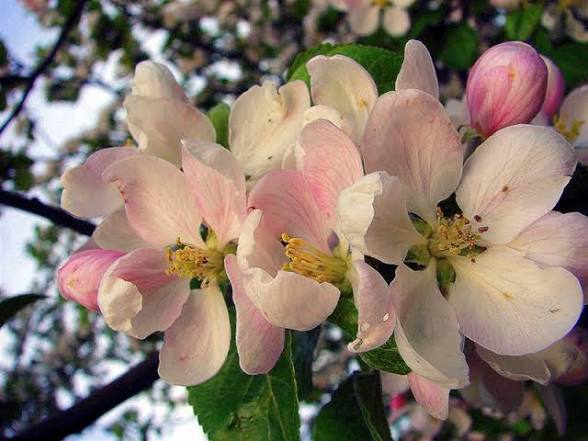
May in Bloom
“May in Bloom” is an issue about how to meditate beneath blossoming apple trees, about the beauty of the dream of Awakening and Awareness, about ways to overcome automatic behaviour, laziness, and procrastination, and about how to motivate oneself toward daily practice through the experience and realization of the Masters.
The apple orchard becomes not merely a beautiful place for rest, but an image of inner return — to silence, attention, natural rhythms, and lost wholeness.
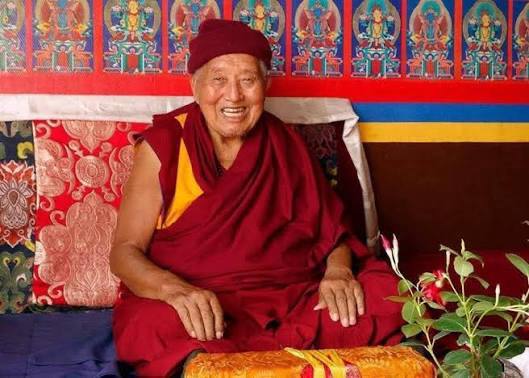
Lopön Tenzin Namdak Rinpoche speaks about a direct approach to the Dzogchen teachings, the role of Guru Yoga, the difference between preliminary practices and abiding in the natural state, and how a Western student should relate to the teacher and the Dharma.
True spirituality is not born in abstract ideas, but in the living culture of ordinary people: in family, faith, beauty, hope, compassion, and the ability to break down the walls of alienation.
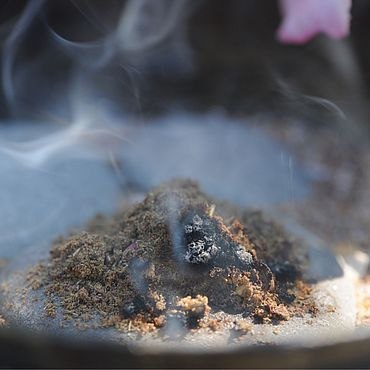
Smells are connected with memory, emotions, and states of mind. That is why the aromas of sandalwood, juniper, jasmine, agarwood, wormwood, lotus, and myrrh become not merely an ornament of space, but part of meditative experience.
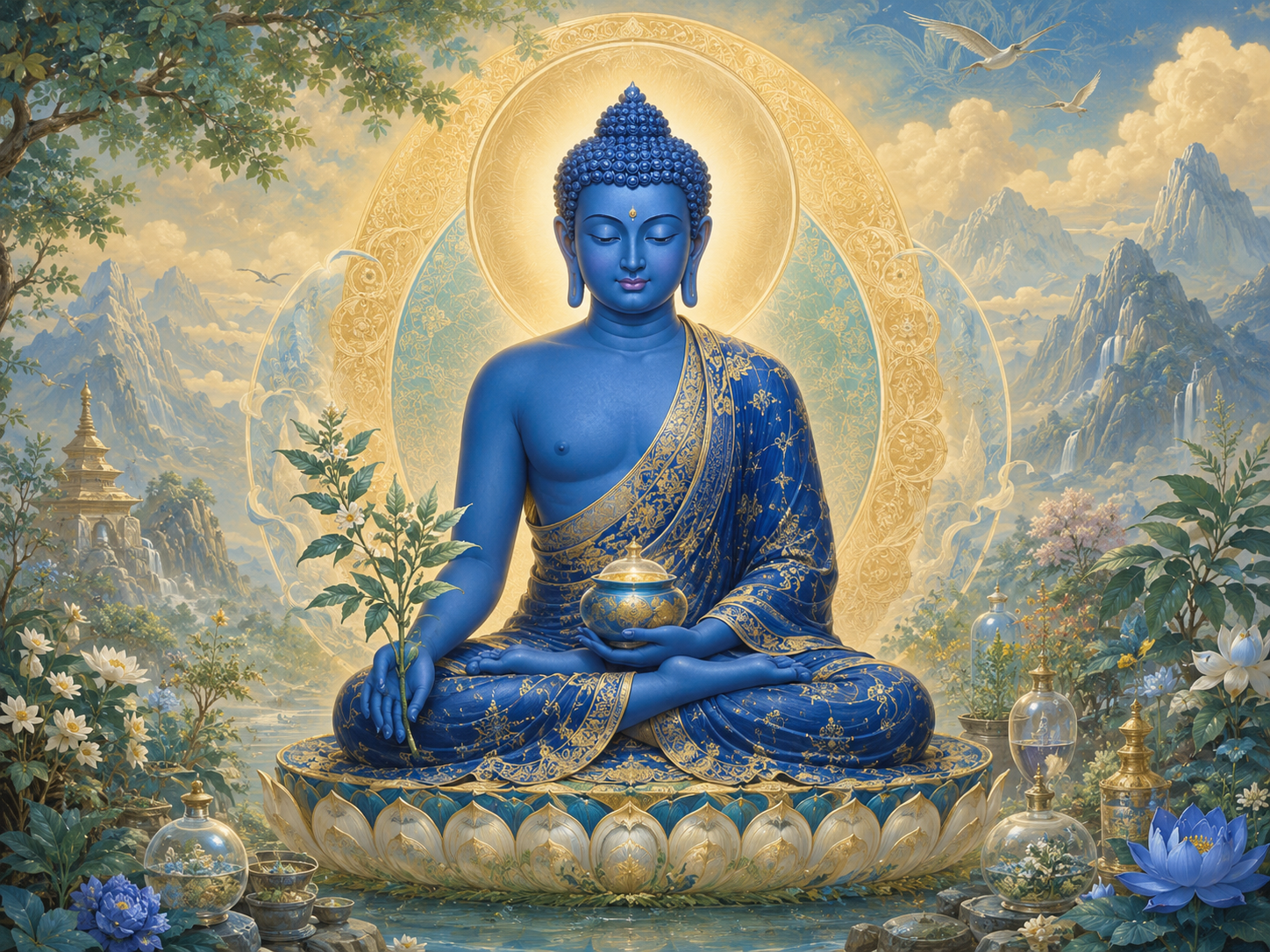
In the Mahayana Buddhist tradition, Bhaishajyaguru — the Medicine Buddha — is the embodiment of healing, light, and boundless compassion. His name means “The Medicine Master of Lapis Lazuli Radiance,” and His vow is absolute: to heal the suffering, illness, and spiritual pain of all sentient beings.